
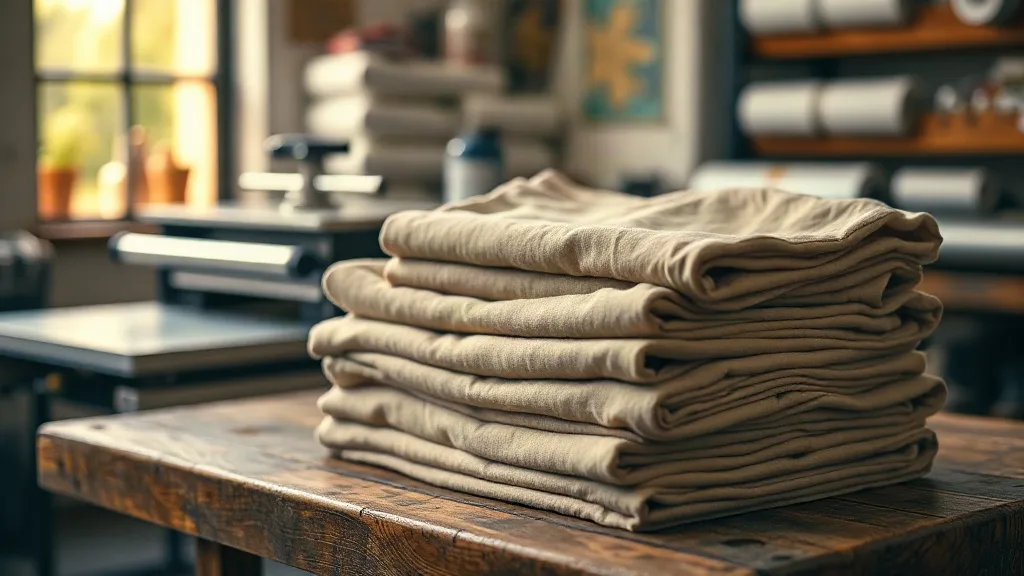
Walk into any print shop that handles streetwear orders and you will eventually hear the same name come up in conversation: shaka wear. The brand has quietly become a go-to source for heavyweight blanks that hold their shape, take ink well, and feel substantial in the hand. If you are building a clothing line, restocking a shop, or just tired of tees that turn into tissue paper after three washes, understanding what makes these garments different will save you time and money.
This guide covers the practical side of buying and printing on Shaka Wear blanks. You will find a breakdown of fabric weights, fit options, printing considerations for both DTF and screen printing, and the small details that separate a good blank from a great one.
What Sets Shaka Wear Blanks Apart
Most blank apparel on the market falls into two camps: budget shirts that feel thin and premium shirts priced for boutique retail. Shaka Wear sits in a useful middle ground. The garments are cut from heavier cotton, usually in the 5.5 to 7 ounce range depending on the style, and the construction tends to hold up through repeated washing and printing cycles.The brand built its reputation in streetwear and skate culture, where a shirt needs to drape well and survive real wear. That heritage shows in the details: reinforced shoulder seams, tighter stitch density at the hem, and collars that resist stretching out after a few washes. For a print shop, those details translate directly into fewer customer complaints and fewer reprints.
Fabric Weight and What It Means for Your Product
Fabric weight is measured in ounces per square yard, and it changes everything about how a finished shirt feels and prints. A 5.5 oz tee works well for retail-style basics where softness matters more than structure. Move up to 6.5 or 7 oz and you get a boxier, more structured garment that suits streetwear drops and heavier graphic designs.
Heavier fabric also affects how ink sits on the surface. Thick cotton absorbs plastisol and water-based inks differently than a lightweight jersey, and DTF transfers bond more consistently to a denser weave. If you plan to run large front or back prints, a mid-to-heavyweight blank usually produces cleaner edges and less ink bleed.
Choosing the Right Fit for Your Line
Shaka Wear offers several fits, and picking the wrong one for your audience is one of the most common mistakes new brands make. Here is how the main options break down in practice.
- Classic fit: Straight through the body with standard sleeves. The safest choice for retail basics and uniform work.
- Relaxed and boxy cuts: Wider through the chest and shorter in the body. Popular for streetwear and oversized styling.
- Longline and tall options: Extra length that suits layered looks and taller customers who struggle with standard sizing.
Before committing to a full production run, order a sample in each fit you are considering. Put the shirt on a real person, photograph it, and compare how the shoulder seam sits. Fit charts are useful, but nothing replaces seeing the garment on a body.
Sizing Considerations for Print Shops
If you print for multiple clients, stock the middle of the size curve heavily and keep a smaller buffer of extended sizes. Most orders cluster around medium through extra large, and running out of a single size mid-project creates awkward delays. Shaka Wear's size consistency across colorways also helps here, since you can mix colors within a run without worrying about fit drift between batches.
Printing on Shaka Wear: DTF and Screen Printing Notes
Both DTF and screen printing work well on these blanks, but each method has quirks worth knowing before you press the first shirt.
DTF Transfers on Heavyweight Cotton
Direct-to-film transfers bond reliably to cotton and cotton blends, and the heavier weave of Shaka Wear blanks gives the adhesive a stable surface. Preheat the garment to remove moisture, press at the temperature your film manufacturer recommends, and peel according to the film type (hot, warm, or cold). One advantage of DTF is that you can gang multiple designs onto a single sheet to cut material waste.
For shops running mixed orders, a DTF Gangsheet Builder lets you arrange several jobs on one film sheet before printing, which lowers cost per transfer and speeds up fulfillment on small-batch orders. It is especially useful when you are printing the same design across several sizes and colorways of the same blank.
Screen Printing Considerations
Heavyweight cotton takes plastisol ink well but may require a slightly higher mesh count for fine detail work. Water-based inks soak into the fabric and produce a softer hand, which pairs nicely with the vintage look many streetwear brands chase. Always test your ink and cure settings on a scrap garment from the same batch, since dye lots can vary slightly between production runs.
Care and Longevity: What Your Customers Should Know
Even a sturdy blank will degrade faster with poor care. Pass these habits along to your customers, either on a care card or in your product listings.
- Wash inside out in cold water to protect printed areas.
- Skip the fabric softener, which can break down cotton fibers over time.
- Tumble dry low or hang dry to reduce shrinkage and preserve the collar shape.
- Avoid ironing directly over the print; use a pressing cloth if needed.
Following these steps keeps the garment looking close to new for far longer, which matters when a customer has paid a premium price for a printed piece.
Common Questions About Shaka Wear Blanks
Are Shaka Wear shirts true to size?
Generally yes, though the relaxed and boxy cuts run wider through the chest by design. If your customers are between sizes and prefer a closer fit, sizing down on those styles is a reasonable choice. Always check the specific style's size chart before ordering in bulk.
Can I use DTF transfers on Shaka Wear heavyweight tees?
Yes. DTF works well on cotton and cotton-poly blends, and the denser weave of heavier blanks tends to produce clean transfer edges. Preheat the garment, follow your film supplier's press settings, and test one shirt before running a full batch.
What is the best Shaka Wear blank for streetwear brands?
Most streetwear labels gravitate toward the heavier 6.5 to 7 ounce styles with boxy or relaxed cuts. These hold large back prints without sagging and give the structured silhouette that defines the category. Lighter weights suit basics and layering pieces instead.
How do I keep costs down when printing multiple designs?
Combine jobs onto shared film sheets rather than printing each design separately. Tools like a DTF Gangsheet Builder let you nest several designs on one sheet, which reduces wasted film and brings down the per-transfer cost on small runs.
Do Shaka Wear blanks shrink after washing?
Some shrinkage is normal with 100 percent cotton garments, typically a small percentage after the first wash. Washing cold and drying low minimizes it. If precise sizing matters for your line, pre-shrink a sample garment before finalizing your measurements.