
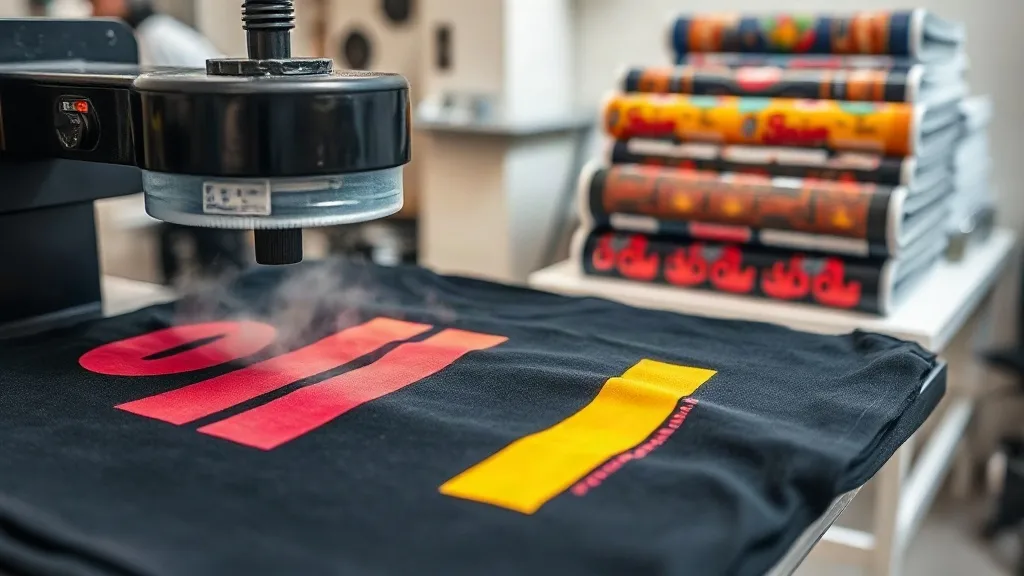
Imagine pressing a button and watching vibrant, full-color designs come to life on a t-shirt, tote bag, or even a pair of sneakers. That's the magic of dtf printing, a technology that has taken the custom apparel world by storm. Whether you're a small business owner, a crafting enthusiast, or someone looking to create personalized gifts, understanding dtf transfers can open up a world of creative possibilities. In this guide, we'll dive deep into what DTF printing is, how it works, and why it might be the perfect solution for your next project. We'll also share practical tips to get the best results, drawn from real-world experience and industry know-how.
What Are DTF Transfers?
DTF stands for Direct-to-Film. It's a printing method where your design is printed onto a special film, coated with a powder adhesive, and then heat-pressed onto the fabric. Unlike other methods that require specific fabric types or pre-treatment, dtf transfers work on almost any material, including cotton, polyester, blends, and even leather. This versatility has made it a favorite among apparel decorators who want consistent, high-quality results without the limitations of traditional techniques.
The Science Behind DTF Printing
The process starts with a digital printer that uses special DTF inks (usually CMYK plus white) to print your design onto a PET film. The white ink layer is crucial because it acts as a base, allowing the colors to pop on dark fabrics. After printing, a fine powder adhesive is applied to the wet ink, and the film is cured. This adhesive is what bonds the design to the fabric during heat pressing. The result is a soft, stretchable print that feels like part of the garment and withstands repeated washing.
Why Choose DTF Transfers Over Other Methods?
If you've ever tried screen printing, vinyl cutting, or DTG, you know each has its quirks. DTF offers a unique blend of advantages that make it stand out:
- No color limits: Unlike screen printing, which requires a separate screen for each color, DTF can reproduce full-color photographs and gradients with ease.
- Fabric freedom: You're not restricted to 100% cotton like with DTG. DTF adheres beautifully to polyester, nylon, and even treated leather.
- Durability: The prints resist cracking, peeling, and fading, even after many washes.
- Cost-effective for small batches: There's no setup cost, so you can print one-off designs or small runs without breaking the bank.
- Soft hand feel: Modern DTF films and powders create a thin, flexible print that doesn't feel rubbery.
These benefits have made dtf transfers a go-to for custom t-shirt shops, sports teams, and promotional product companies. But it's not just for businesses; home crafters with a heat press can achieve professional-looking results too.
How to Apply DTF Transfers: Step-by-Step
Applying a DTF transfer is straightforward, but following the right steps ensures a long-lasting, vibrant result. Here's a tried-and-true method:
- Preheat your heat press: Set the temperature to around 300-325°F (150-160°C). Prepress the garment for a few seconds to remove moisture and wrinkles.
- Position the transfer: Place the DTF film on the fabric with the printed side facing up. If your design has a white base, it's already on the film.
- Press: Apply medium pressure for 10-15 seconds. The exact time can vary by film and press, so always test first.
- Peel: Wait a few seconds for the transfer to cool slightly, then peel the film off in a smooth, consistent motion. If you peel too hot, the design might stretch; too cold, and it may crack.
- Post-press: For extra durability, cover the design with a Teflon sheet or parchment paper and press again for 5-10 seconds. This ensures the adhesive fully bonds.
With a bit of practice, you'll be able to apply dtf transfers quickly and confidently. Remember, every heat press is different, so experiment with temperature, pressure, and time to find what works best for your setup.
Common Mistakes to Avoid with DTF Transfers
Even seasoned pros can run into issues. Here are some pitfalls to watch out for:
- Insufficient pressure: If the press doesn't apply enough pressure, the design won't adhere properly and may peel off after washing.
- Wrong temperature: Too hot and the film may melt or the design may scorch; too cold and the adhesive won't activate.
- Peeling too soon or too late: Follow the film manufacturer's recommendations for peel temperature. Most DTF films are cold peel or warm peel.
- Not pre-pressing: Moisture in the fabric can cause steam bubbles and poor adhesion. Always pre-press.
- Using the wrong powder: DTF powder is specifically formulated for the inks. Using other adhesives will lead to failure.
By avoiding these mistakes, you'll achieve consistent, professional results that keep customers coming back.
DTF vs. Other Printing Methods: A Quick Comparison
Let's see how DTF stacks up against screen printing, DTG, and vinyl:
- Screen Printing: Best for large orders with few colors. High setup costs, not economical for small runs. DTF wins for full-color, small batches.
- DTG (Direct-to-Garment): Great for 100% cotton, but requires pre-treatment and can be less vibrant on dark shirts. DTF works on more fabrics and often has better opacity.
- Vinyl (HTV): Good for simple, single-color designs, but layering multiple colors is time-consuming. DTF handles complex designs in one press.
- Sublimation: Only works on polyester and requires special coatings. DTF is more versatile.
While each method has its place, dtf transfers offer a unique combination of versatility, quality, and cost-effectiveness that's hard to beat.
Choosing the Right DTF Supplies
The quality of your DTF transfers depends heavily on the supplies you use. Here's what to look for:
- Film: Choose a film that matches your printer and desired finish. Matte films are common, but glossy options exist.
- Ink: Use high-quality DTF inks designed for your printer. Off-brand inks can clog printheads and produce dull colors.
- Powder: The adhesive powder should be fine and evenly applied. Too much powder can cause a rough feel; too little leads to poor washability.
- Heat Press: A reliable heat press with consistent temperature and pressure is essential. Clamshell or swing-away presses both work, but swing-away offers more even pressure.
Investing in good supplies pays off in the long run with fewer headaches and happier customers.
Applications of DTF Transfers Beyond T-Shirts
While t-shirts are the most common canvas, DTF transfers can be used on a wide range of items:
- Hoodies and Sweatshirts: The stretchable print moves with the fabric, preventing cracks.
- Tote Bags: Add vibrant designs to canvas bags for a personalized touch.
- Denim Jackets: DTF adheres well to denim, allowing for bold statements.
- Sportswear: Polyester and spandex blends are no problem for DTF.
- Home Decor: Customize pillowcases, aprons, and even canvas shoes.
The possibilities are limited only by your imagination. As long as the surface can withstand heat, DTF can likely be applied.
Frequently Asked Questions About DTF Transfers
How long do DTF transfers last?
With proper application and care, DTF transfers can last as long as the garment itself. They withstand dozens of washes without fading, cracking, or peeling. To maximize longevity, wash inside out in cold water and avoid harsh detergents or high heat in the dryer.
Can I use DTF transfers on dark colors?
Absolutely. DTF printing includes a white ink base that makes colors pop on dark fabrics. This is one of its biggest advantages over DTG, which often requires a white underbase that can affect the hand feel.
Do I need a special printer for DTF?
Yes, you need a DTF printer that uses DTF inks and can handle the film. However, you can also buy pre-printed DTF transfers from suppliers and apply them with just a heat press. This is a great option for those who want to offer custom apparel without investing in a printer.
What is the best temperature for pressing DTF transfers?
Most DTF transfers press at 300-325°F (150-160°C) for 10-15 seconds with medium pressure. However, always check the instructions from your transfer supplier, as formulations can vary. It's a good idea to do a test press on a scrap piece of fabric.
Can I layer DTF transfers?
Yes, you can layer DTF transfers, but it's tricky. You'll need to press the first layer, then apply the second on top, ensuring proper alignment and adhesion. For best results, design your artwork to be a single transfer rather than layering multiple films.
Final Thoughts
DTF transfers have democratized custom apparel printing, making it accessible to businesses and hobbyists alike. With its ability to print full-color designs on almost any fabric, DTF is a game-changer. Whether you're creating team uniforms, promotional merchandise, or personalized gifts, dtf transfers deliver professional quality with ease. So why not give it a try? With the right supplies and a bit of practice, you'll be amazed at what you can create.