
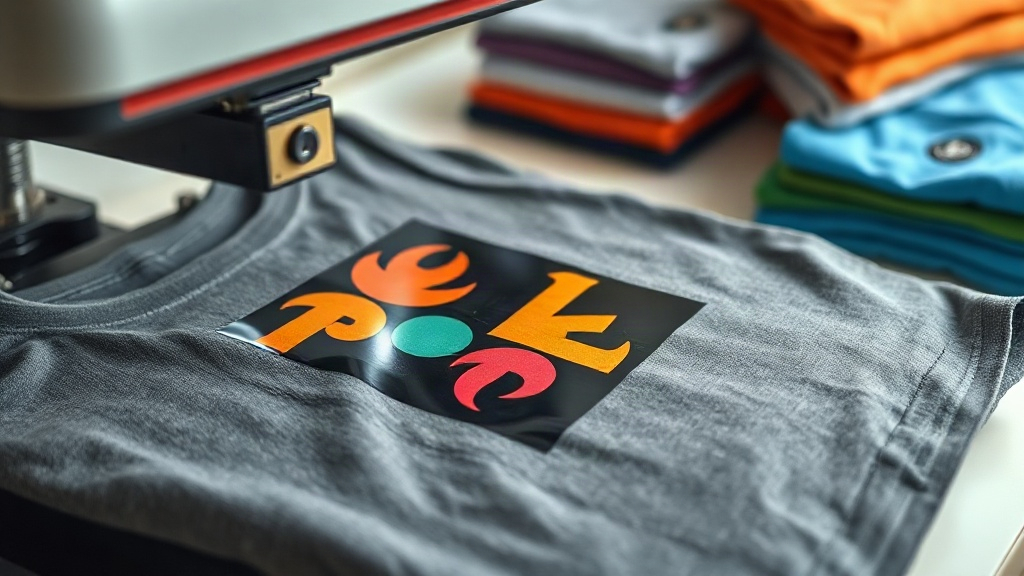
When you pull a freshly pressed DTF transfers sheet off your heat press, the last thing you want is a print that looks dull, cracked, or uneven. The secret to a vibrant, durable transfer often lies not in the transfer itself, but in the blank you choose. Enter smart blanks—a term that's gaining traction among garment decorators for good reason. These are blanks engineered with the right fabric blend, weave, and finish to maximize adhesion and color vibrancy. In this article, we'll explore why smart blanks are a game-changer for DTF printing, how Shaka Wear fits into the picture, and practical tips to get flawless results every time.
What Are Smart Blanks and Why Do They Matter?
Smart blanks aren't just any t-shirt or hoodie. They are garments specifically designed to work harmoniously with modern decoration methods, especially DTF. Unlike traditional blanks that might have inconsistent fabric blends or heavy finishes, smart blanks offer a predictable surface that DTF transfers can bond with reliably. This means fewer wasted transfers, less frustration, and a final product that looks professional.
Why does this matter? DTF transfers rely on a thermoplastic adhesive that melts into the fabric fibers. If the fabric is too slick (like some polyester blends), the adhesive can't grip properly, leading to peeling. If it's too rough or has a heavy silicone finish, the transfer might not adhere at all. Smart blanks eliminate these variables by providing a consistent, DTF-friendly surface.
Key Characteristics of Smart Blanks
Not all blanks qualify as "smart." Here's what to look for:
- Fabric composition: A balanced blend of cotton and polyester, typically 50/50 or 60/40, works best. This blend allows the adhesive to penetrate while maintaining softness.
- Weave and texture: A smooth, tight weave ensures even pressure distribution during pressing, preventing patchiness.
- Finish: Blanks with minimal silicone or anti-wrinkle treatments are ideal, as these can interfere with adhesion.
- Colorfastness: Smart blanks hold their color well, so the DTF print doesn't discolor after washing.
Brands like Shaka Wear have gained a reputation for producing blanks that tick all these boxes. Their garments are known for their consistent quality and DTF-friendly surfaces, making them a favorite among decorators.
Why Shaka Wear Stands Out for DTF Printing
Shaka Wear has been a staple in the streetwear and custom apparel scene for years. Their blanks are crafted with a focus on durability and printability. When you pair Shaka Wear garments with high-quality DTF transfers, you get a match made in heaven. Here's why:
- Consistent fabric quality: Shaka Wear blanks are known for their uniform weave and weight, which means your DTF transfers adhere evenly across the entire garment.
- Variety of styles: From classic tees to hoodies and tank tops, Shaka Wear offers a range of options that cater to different markets.
- Color range: Their extensive color palette allows you to offer customers vibrant options without worrying about the transfer looking washed out.
Many decorators have shared that switching to Shaka Wear blanks reduced their DTF failure rates significantly. The fabric's ability to hold the adhesive without scorching or discoloration is a major plus.
How to Choose the Right Smart Blank for Your DTF Project
Selecting the perfect blank is part art, part science. Here's a step-by-step approach:
- Identify your end-use: Is the garment for everyday wear, athletic use, or a fashion statement? This determines the fabric weight and blend.
- Test the surface: Run a fingernail across the fabric. If it snags easily, it might not be ideal for DTF. Smart blanks have a smooth, snag-resistant surface.
- Check the label: Look for fabric content. A 100% cotton shirt can work, but a cotton-poly blend often yields better DTF results due to improved adhesive bonding.
- Consider color: For dark garments, ensure the blank is dyed evenly to avoid the transfer looking muted. Shaka Wear excels in deep, rich colors.
- Order samples: Before committing to a bulk order, test a few blanks with your DTF transfers. This small investment saves time and money.
Maximizing DTF Transfer Results on Smart Blanks
Even with the best smart blanks, technique matters. Follow these tips to ensure your DTF transfers look flawless:
- Pre-press the garment: This removes moisture and wrinkles, creating a smooth canvas.
- Use the right pressure: Medium to firm pressure ensures the adhesive fully penetrates the fabric.
- Temperature control: Follow the DTF transfer manufacturer's guidelines. Too hot, and you risk scorching; too cool, and the adhesive won't activate.
- Peel with care: Wait for the transfer to cool slightly before peeling (or peel hot if the transfer requires it). This prevents the design from stretching.
- Post-press: A quick second press with a Teflon sheet can enhance durability.
When you combine these techniques with Shaka Wear blanks, you'll notice a marked difference in the vibrancy and longevity of your prints.
Common Mistakes to Avoid with Smart Blanks and DTF
Even seasoned decorators can slip up. Here are pitfalls to watch for:
- Using fabric softener: This leaves a residue that prevents adhesion. Always wash new blanks without softener before printing.
- Ignoring fabric shrinkage: Some blanks shrink after washing. Pre-shrink if necessary to avoid misaligned prints.
- Overstretching during pressing: This distorts the fabric weave and can cause the transfer to crack.
- Mismatched transfer and blank: Not all DTF transfers are compatible with all fabrics. Always test.
By avoiding these mistakes and choosing quality smart blanks like those from Shaka Wear, you set yourself up for success.
Frequently Asked Questions
What exactly makes a blank "smart" for DTF printing?
A smart blank is designed with a fabric blend, weave, and finish that optimizes adhesion and color vibrancy for DTF transfers. Typically, this means a cotton-poly blend with a smooth surface and no heavy finishes.
Can I use any Shaka Wear blank for DTF transfers?
Most Shaka Wear blanks are suitable for DTF, but it's always best to check the specific product details. Their 100% cotton and cotton-poly blends are generally excellent choices.
How do I prevent DTF transfers from peeling off smart blanks?
Ensure proper pressing temperature, pressure, and time. Also, avoid fabric softeners and wash the garment inside out in cold water. Following the transfer manufacturer's instructions is key.
Are smart blanks more expensive than regular blanks?
They can be slightly pricier, but the reduction in waste and the improved quality of the final product often outweigh the cost. Plus, brands like Shaka Wear offer competitive pricing.
What's the best way to store DTF transfers before pressing?
Keep them in a cool, dry place away from direct sunlight. Avoid folding or creasing the transfer sheets to prevent damage to the adhesive layer.
Final Thoughts
Choosing the right blank is half the battle in DTF printing. Smart blanks give you a reliable foundation, and Shaka Wear delivers that quality consistently. By understanding the science behind DTF transfers and applying the tips above, you'll achieve professional-grade results that keep customers coming back. Remember, it's not just about the print—it's about the entire garment. Invest in smart blanks, and your DTF business will reap the rewards.