
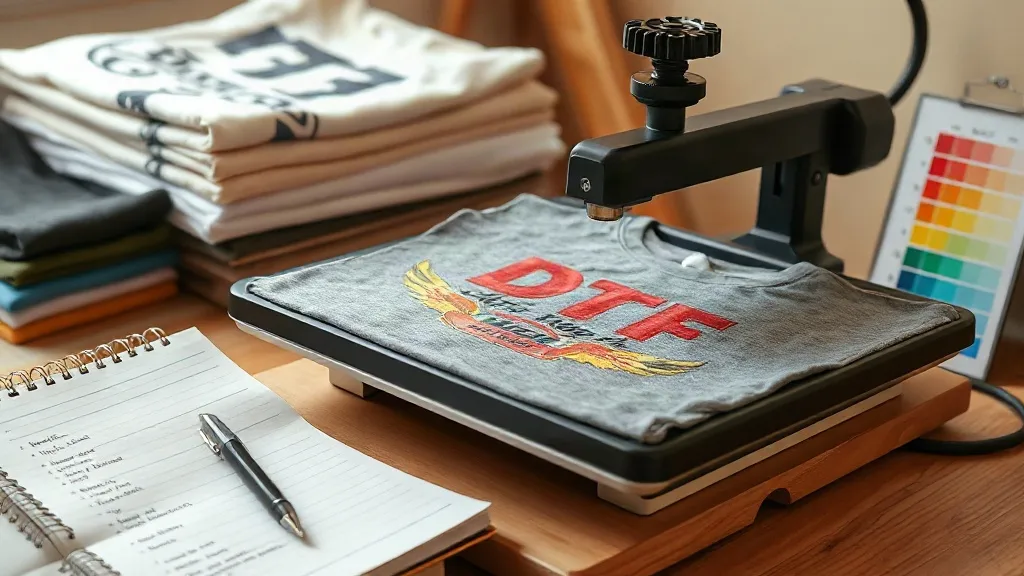
When you first start working with dtf transfers, you quickly realize that not all fabrics are created equal. A design that looks stunning on a cotton t-shirt might crack or fade on a polyester blend, and a print that survives countless washes on denim might peel off a silk scarf. The secret to consistent, professional results lies in understanding how different fabrics interact with the DTF process and how to maximize longevity. This guide dives deep into fabric selection and care, giving you the knowledge to avoid common pitfalls and deliver prints that impress every time.
Why Fabric Choice Makes or Breaks Your DTF Prints
DTF transfers rely on a thermoplastic polyurethane (TPU) adhesive that bonds to fibers under heat and pressure. The nature of the fabric – its fiber content, weave, and finish – determines how well that bond forms and how long it lasts. Cotton, for example, has a rough surface that the adhesive can grip tightly, while synthetic fabrics like polyester have smoother, sometimes slick surfaces that require different handling. Understanding these nuances is key to achieving vibrant, durable prints.
Natural Fibers: Cotton, Canvas, and More
Cotton is the most forgiving fabric for DTF transfers. Its absorbent, textured surface allows the adhesive to penetrate and lock in, resulting in excellent wash durability. Canvas and linen also work well, though their heavier weaves may require slightly higher pressure to ensure the transfer reaches into the fibers. For best results on natural fibers, pre-press the garment to remove moisture and wrinkles, then apply the transfer at 300°F (150°C) for 10-15 seconds with medium pressure.
Synthetics: Polyester and Blends
Polyester and polyester blends are popular for sportswear and uniforms, but they can be tricky. The smooth surface of polyester can cause the transfer to peel if not applied correctly. Additionally, polyester is sensitive to heat – too high a temperature can cause the fabric to scorch or the transfer to melt. Use a lower temperature (around 280°F/140°C) and a shorter dwell time (8-10 seconds) for synthetics. Always test on a scrap piece first. Blends like 50/50 cotton-poly are more forgiving but still benefit from a gentle approach.
Delicates and Special Fabrics
Silk, nylon, and other delicate fabrics require extra caution. These materials can be damaged by high heat, and the adhesive may not bond well. For such fabrics, consider using a lower temperature and a protective sheet between the press and the transfer. Alternatively, you might explore specialty DTF films designed for low-temperature application. Always do a test press on an inconspicuous area.
Maximizing Longevity: Care and Maintenance
Even the best-applied DTF transfer can degrade over time if not cared for properly. Educating your customers on proper washing and handling extends the life of the print and keeps your brand reputation intact.
Washing Instructions for DTF-Printed Garments
- Turn the garment inside out before washing to reduce abrasion on the print.
- Use cold water (max 30°C) on a gentle cycle.
- Avoid harsh detergents and bleach; opt for mild, color-safe detergents.
- Do not use fabric softener, as it can leave a residue that affects the adhesive.
- Tumble dry on low or hang dry. High heat can cause the transfer to crack or peel.
- Iron inside out on a low setting, avoiding direct contact with the print.
Storage and Handling Tips
Store DTF transfers in a cool, dry place away from direct sunlight. Avoid folding or creasing the transfers, as this can damage the adhesive layer. When handling printed garments, avoid stretching or pulling on the print, especially when wet.
Common Fabric-Related Issues and Fixes
Even with careful selection, problems can arise. Here’s how to troubleshoot the most common fabric-related issues.
Peeling Transfers
Peeling usually indicates insufficient pressure, temperature, or time during application. Ensure your heat press is calibrated and apply consistent pressure. For difficult fabrics like polyester, consider using a adhesive promoter or a second press cycle.
Cracking or Fading
Cracking often results from over-stretching the fabric during pressing or from washing with hot water. Fading can occur if the transfer is exposed to excessive heat during application or if low-quality transfers are used. Always use high-quality dtf transfers from reputable suppliers and follow recommended settings.
Color Bleeding
On some fabrics, especially those with strong dyes, the transfer’s colors may bleed or discolor over time. Pre-washing the garment can help remove excess dye. Additionally, using a white underbase layer can prevent the fabric color from affecting the design.
Finding Quality DTF Transfers and Services
If you’re outsourcing your transfers, choosing the right supplier is critical. Look for companies that offer detailed guidance on fabric compatibility and provide high-resolution prints with vibrant colors. If you prefer to print in-house, invest in a reliable DTF printer and quality films and powders. For those searching for dtf transfers near me, local suppliers can offer faster turnaround and personalized support, but online options often provide a wider range of products and competitive pricing.
Frequently Asked Questions
Can DTF transfers be applied to 100% polyester?
Yes, but with caution. Use a lower temperature (around 280°F/140°C) and shorter dwell time to avoid scorching. Pre-test on a scrap to find the ideal settings.
How long do DTF transfers last on fabrics?
With proper application and care, DTF transfers can last 50+ washes. Factors like fabric type, wash temperature, and detergent affect longevity.
What is the best fabric for DTF transfers?
Cotton and cotton blends are generally the easiest and most durable. They provide excellent adhesion and wash fastness.
Can I use DTF transfers on dark fabrics?
Absolutely. DTF transfers include a white ink layer that makes colors pop on dark garments. Just ensure the transfer is properly applied to avoid opacity issues.
How do I prevent transfers from cracking?
Avoid over-stretching the fabric during pressing, use correct temperature and pressure, and follow proper washing instructions. High-quality transfers also reduce cracking.