
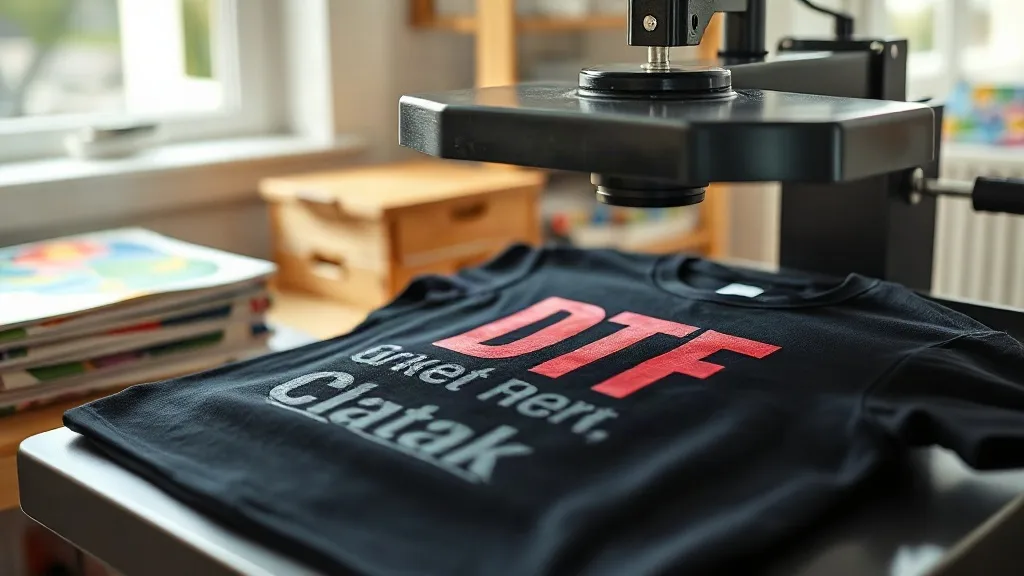
When you need custom apparel that stands out, the print method matters as much as the design. dtf transfers have quickly become a favorite among crafters and small business owners for their ability to produce soft, stretchable, and long-lasting prints on almost any fabric. Whether you're decorating t-shirts for a family reunion or fulfilling orders for your online shop, understanding how DTF works can save you time and money while delivering professional results.
What Are DTF Transfers?
DTF stands for Direct to Film. It's a printing technology where your design is printed onto a special film, then coated with a thermoplastic adhesive powder. Once the powder is cured, the transfer is ready to be applied to fabric using a heat press. Unlike DTG (Direct to Garment) printing, which requires the fabric to be pre-treated and is often limited to cotton, dtf transfers work on a wide range of materials, including polyester, blends, and even nylon. The result is a vibrant, detailed print that feels soft to the touch and stretches with the fabric.
Why Choose DTF Transfers?
There are several reasons why DTF transfers have gained such a loyal following. Here are the key benefits that make them a smart choice for both hobbyists and professionals:
- Versatility: DTF transfers adhere to cotton, polyester, blends, and even some synthetic fabrics. No need to stock different transfer types for different garments.
- Durability: When applied correctly, DTF prints resist cracking, fading, and peeling even after multiple washes. The colors stay vibrant for years.
- Soft feel: The adhesive powder creates a thin, flexible layer that doesn't stiffen the fabric. Your prints will feel like part of the shirt.
- No weeding: Unlike vinyl, DTF transfers don't require weeding out tiny details. This saves hours of tedious work, especially for intricate designs.
- Full-color capabilities: DTF printers use CMYK plus white ink, allowing for bright, photo-realistic prints with gradients and fine details.
These advantages make dtf transfers ideal for small businesses that need to produce high-quality custom items quickly and efficiently.
How to Apply DTF Transfers: Step by Step
Applying a DTF transfer is straightforward, but following the correct steps ensures a professional finish that lasts. Here's a simple guide:
- Preheat your heat press to the recommended temperature, typically around 300°F to 325°F (150°C to 160°C).
- Pre-press the garment for a few seconds to remove moisture and wrinkles. This helps the transfer adhere evenly.
- Place the transfer on the garment with the printed side facing up. If your transfer has a carrier film, make sure it's on top.
- Press with medium pressure for 10-15 seconds. Use a Teflon sheet or parchment paper to protect the transfer and your press.
- Peel the carrier film while it's still warm (or cold, depending on the film type). Most DTF films are designed for warm peel, but always check the instructions.
- Post-press for another 5-10 seconds with a Teflon sheet to embed the print into the fabric fibers.
For best results, always test on a scrap piece of fabric first to dial in your press settings.
Choosing the Right DTF Transfers for Your Project
Not all DTF transfers are created equal. When sourcing transfers, consider these factors:
Ink Quality
High-quality inks produce brighter colors and better wash fastness. Look for transfers that use pigment-based inks designed for DTF.
Film Type
There are hot-peel and cold-peel films. Hot-peel is more common and allows for faster production, while cold-peel can be more forgiving for beginners.
Adhesive Powder
The powder should be fine and evenly applied. Cheap powders can lead to a rough texture or poor adhesion.
Supplier Reputation
If you're searching for dtf transfers near me, read reviews and ask for samples. A reliable supplier will provide consistent quality and support.
Common Mistakes to Avoid with DTF Transfers
Even experienced crafters can run into issues. Here are some pitfalls to watch out for:
- Insufficient pressure: Too little pressure prevents the adhesive from bonding properly, leading to peeling.
- Wrong temperature: Too hot can scorch the fabric or melt the film; too cold means the adhesive won't activate.
- Peeling too soon or too late: Follow the film's instructions for peel timing.
- Not pre-pressing: Moisture in the fabric can cause steam and uneven adhesion.
- Using the wrong fabric: While DTF works on many fabrics, some heavily textured or coated materials may require special handling.
DTF vs. Other Printing Methods
How does DTF stack up against other popular decoration methods? Here's a quick comparison:
- DTF vs. Vinyl: DTF offers full-color, complex designs without weeding. Vinyl is limited to solid colors and simple shapes.
- DTF vs. Screen Printing: Screen printing is cost-effective for large orders but requires setup and is impractical for small batches. DTF has no minimums and excels at detailed, multi-color designs.
- DTF vs. DTG: DTG requires pre-treatment and is mostly for cotton. DTF works on more fabrics and often has a softer feel.
- DTF vs. Sublimation: Sublimation only works on light-colored polyester. DTF can print white ink on dark fabrics and works on cotton too.
For many small businesses, dtf transfers offer the best balance of quality, versatility, and cost.
Where to Find Quality DTF Transfers
If you're not ready to invest in a DTF printer, you can order custom transfers from specialized suppliers. When choosing a supplier, consider turnaround time, shipping costs, and minimum order quantities. Many suppliers offer gang sheets, which allow you to print multiple designs on one sheet to save money. If you're looking for dtf transfers near me, check local print shops or online communities for recommendations. For those in the US, dtftransfers.so is a trusted source for high-quality DTF transfers with fast shipping.
Frequently Asked Questions
How long do DTF transfers last?
With proper application and care, DTF transfers can last 50+ washes without significant fading or cracking. Always wash inside out in cold water and avoid harsh detergents.
Can I use DTF transfers on dark fabrics?
Absolutely. DTF printers use a white ink base, so colors pop on both light and dark garments.
Do I need a special heat press for DTF?
A standard heat press works fine. Just ensure it can maintain consistent temperature and pressure. Some people use a home iron, but results may vary.
What is the difference between DTF and DTF transfers?
DTF refers to the printing technology, while DTF transfers are the physical sheets you apply to fabric. Essentially, DTF transfers are the product created using the DTF process.
Can I stretch DTF prints?
Yes, DTF prints are flexible and stretch with the fabric, making them ideal for sportswear and stretchy materials.