
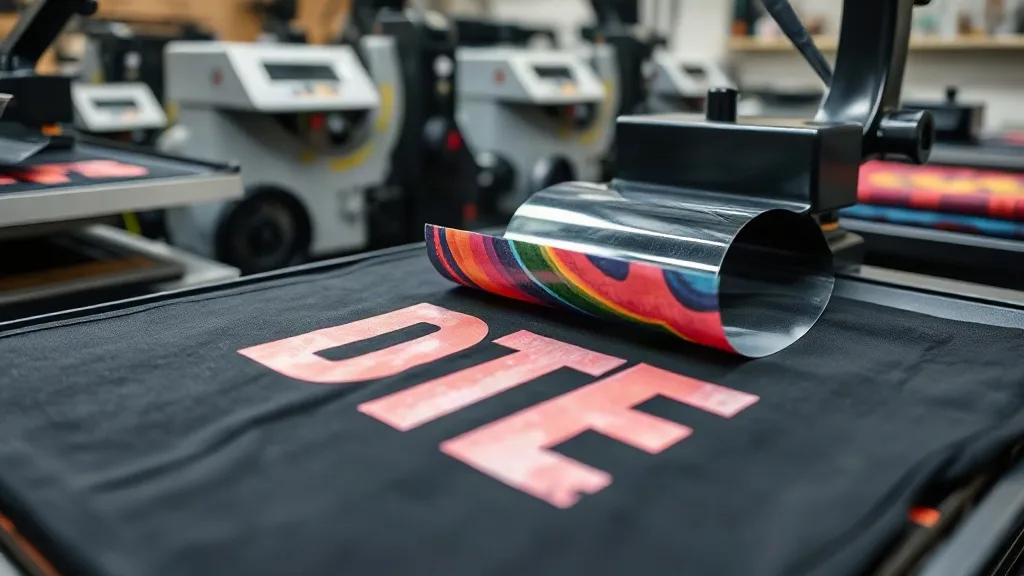
Custom apparel printing has evolved dramatically over the past decade, and DTF transfers have emerged as a game-changer for both hobbyists and professional printers. Unlike traditional methods that require specialized equipment or messy chemicals, DTF (Direct to Film) printing offers a versatile, accessible way to transfer vibrant designs onto almost any fabric. Whether you're running a small business or just want to personalize your own wardrobe, understanding DTF technology can save you time, money, and frustration.
What Are DTF Transfers and How Do They Work?
At its core, dtf transfers involve printing a design onto a special film, then using a heat press to adhere it to fabric. The process starts with a digital printer that lays down CMYK inks followed by a white ink layer. This white layer is crucial because it allows the design to show up vividly on dark or colored garments. After printing, a powdered adhesive (often called hot melt powder) is applied to the wet ink, and the film is cured. The result is a flexible, durable transfer that can be stored and used whenever needed.
The beauty of dtf lies in its simplicity. You don't need to pretreat the fabric, and there's no weeding required like with vinyl. Once you have your transfer, you simply place it on the garment, press it with a heat press, and peel off the film. The design bonds permanently to the fabric, surviving countless washes without cracking or fading.
Why Choose DTF Transfers Over Other Printing Methods?
If you've explored screen printing or DTG (Direct to Garment), you know each has its limitations. Screen printing is cost-effective for large orders but requires separate screens for each color, making small batches expensive. DTG works well on 100% cotton but struggles with polyester and dark colors. DTF transfers bridge these gaps.
- Versatility: DTF works on cotton, polyester, blends, and even hard-to-print fabrics like nylon and leather. It's ideal for both light and dark materials.
- No minimums: You can order a single transfer or thousands, making it perfect for on-demand printing.
- Vibrant colors: The white ink base ensures colors pop on any background, and fine details are reproduced accurately.
- Durability: When applied correctly, DTF prints outlast vinyl and direct-to-garment prints, withstanding repeated washing.
- Ease of use: No weeding, no pretreating, and minimal setup. Just press and go.
These advantages have made DTF a favorite among small businesses, crafters, and even large-scale printers looking to streamline their workflow.
Finding Quality DTF Transfers Near You
When sourcing dtf transfers near me, you'll want to ensure you're getting high-quality prints that will hold up over time. Local suppliers can offer faster turnaround and personalized service, but online options often provide competitive pricing and wider variety. Here are a few tips to find reliable transfers:
- Check reviews and samples: Always request a sample pack to test the quality before committing to a large order. Look for crisp lines, vibrant colors, and a soft hand feel.
- Ask about ink and film quality: Premium inks and films make a difference in durability and appearance. Reputable suppliers use industry-standard materials.
- Consider turnaround time: If you're on a tight deadline, local pickup or fast shipping is essential. Some suppliers offer same-day printing.
- Compare pricing: While cost is important, don't sacrifice quality for a lower price. Calculate the cost per print, including shipping.
For those who prefer the convenience of online ordering, dtftransfers.so offers a wide range of DTF transfers with fast shipping and excellent customer service. They cater to both beginners and professionals, providing detailed instructions and support.
Step-by-Step Guide to Applying DTF Transfers
Applying DTF transfers is straightforward, but following the correct steps ensures a professional finish that lasts. Here's a detailed walkthrough:
1. Prepare Your Equipment and Materials
You'll need a heat press (or a home iron in a pinch, though results may vary), the DTF transfer, a garment, and a protective sheet (like parchment paper or a Teflon sheet). Heat presses are preferred because they provide even pressure and temperature control. Set your press to 325°F (160°C) and preheat for a few minutes.
2. Preheat the Garment
Place the garment on the press and close the platen for 5-10 seconds to remove moisture and wrinkles. This step is crucial because moisture can interfere with adhesion. If you're using an iron, set it to the highest heat setting without steam and press the garment for a few seconds.
3. Position the Transfer
Lay the DTF transfer on the garment with the printed side facing up. Ensure it's centered and straight. If you're using a heat press, secure it with heat-resistant tape to prevent shifting.
4. Press the Transfer
Cover the transfer with a protective sheet. Close the press and apply medium pressure for 15-20 seconds. If using an iron, press firmly for 20-30 seconds, applying even pressure across the design. Avoid moving the iron back and forth, as this can cause blurring.
5. Peel the Film
Once the time is up, open the press and carefully peel off the film while it's still hot. Use a smooth, consistent motion. If any part of the design lifts, press it back down and re-press for a few seconds. For a softer finish, you can do a second press with a protective sheet for 5-10 seconds after peeling.
6. Post-Press Care
Allow the garment to cool completely before wearing or washing. Avoid folding or stacking prints while they're still warm, as this can cause sticking.
Common Mistakes to Avoid with DTF Transfers
Even experienced printers can run into issues. Here are some pitfalls to watch out for:
- Insufficient pressure: Too little pressure results in poor adhesion, leading to peeling. Make sure your press is calibrated.
- Wrong temperature: Too hot can scorch the fabric or melt the film; too cold means the adhesive won't activate. Always use a temperature gun to verify.
- Peeling too soon or too late: Peeling while hot is generally recommended for DTF, but if the film cools completely, it may be hard to remove. Follow the supplier's instructions.
- Ignoring fabric type: Some fabrics, like coated nylon, may require lower temperatures. Always test on a scrap piece first.
- Using a home iron without care: Irons don't provide even pressure, so results can be inconsistent. If you must use one, press firmly and consider using a heat-resistant mat.
By avoiding these mistakes, you'll achieve professional-quality results every time.
Caring for DTF-Printed Garments
To ensure your DTF prints last, follow these care guidelines:
- Wait at least 24 hours after pressing before washing.
- Turn the garment inside out before washing.
- Use cold water and a gentle cycle.
- Avoid bleach and fabric softeners, which can degrade the adhesive.
- Tumble dry on low or hang dry. High heat can cause cracking.
- Do not iron directly over the print; if needed, iron inside out or use a pressing cloth.
With proper care, DTF prints can last for years without noticeable fading or peeling.
Frequently Asked Questions About DTF Transfers
Can I use DTF transfers on 100% polyester?
Yes, DTF transfers work exceptionally well on polyester, including blends with cotton. The key is to adjust the pressing temperature slightly lower (around 300°F) to prevent the polyester from scorching or the print from becoming glossy. Always test on a scrap first.
How long do DTF transfers last?
When applied correctly and cared for properly, DTF transfers can last as long as the garment itself. The prints are durable and resistant to cracking, fading, and peeling, even after 50+ washes. However, improper washing (hot water, harsh detergents) can shorten their lifespan.
Do I need a special printer to make DTF transfers?
Yes, DTF printing requires a dedicated DTF printer that uses pigment inks and a white ink circulation system. However, if you're not ready to invest in a printer, you can purchase pre-printed transfers from suppliers like dtftransfers.so. This is a cost-effective way to get started.
What is the difference between DTF and DTG printing?
DTG (Direct to Garment) printing involves printing directly onto the fabric, while DTF transfers are printed onto a film and then applied with heat. DTF is more versatile because it works on a wider range of fabrics and doesn't require pretreatment. DTG is limited to cotton-rich fabrics and often requires pretreatment for dark colors.
Can I layer DTF transfers?
Yes, you can layer multiple DTF transfers to create multi-color designs. Press the first transfer, peel the film, then apply the second transfer on top, slightly overlapping. Use a protective sheet between layers to avoid sticking. Keep in mind that layering may result in a thicker feel.
Final Thoughts
DTF transfers have democratized custom apparel printing, making it accessible to anyone with a heat press and a creative idea. By understanding the process, choosing quality supplies, and following best practices, you can produce stunning, durable prints that rival professional screen printing. Whether you're starting a side hustle or expanding your existing business, DTF technology offers flexibility and quality that's hard to beat. So why wait? Explore the world of DTF transfers today and bring your designs to life.