
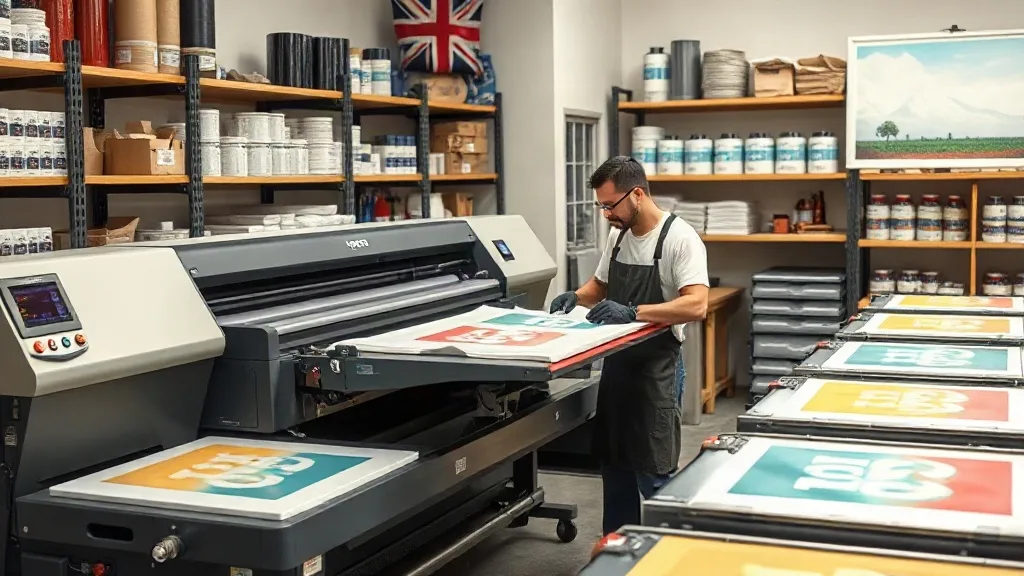
When I started my DTF journey, I was printing a handful of transfers a week on a converted inkjet and a $30 heat press. Fast forward three years, and my shop now pushes hundreds of transfers a day across three shifts. The leap wasn't about buying bigger machines; it was about building systems that could handle the volume without sacrificing quality. If you're at that inflection point where orders are piling up and your current process is buckling, this guide is for you. I'll walk you through the real-world lessons I learned scaling a dtf transfers operation, from the equipment you actually need to the quality checks that save you from costly reprints.
The inflection point: when to scale
Before you invest in that industrial shaker or a second printer, you need to recognize the signs that your current setup is maxed out. For me, it was the 11 p.m. sessions hand-peeling film because I couldn't keep up. Other shops hit a wall when reprint rates climb above 5 percent or when lead times stretch beyond a week. If you're turning down orders or working 14-hour days to meet deadlines, it's time to scale. But scaling isn't just about volume; it's about predictability. You need to know that every transfer that leaves your shop meets the same standard, whether it's order #1 or order #1000.
Assess your current workflow
Grab a stopwatch and time each step of your process: design prep, printing, powder application, curing, pressing, and packaging. I did this and found that powder application was eating up 40 percent of my labor time. That insight led me to invest in an automated powder shaker, which cut that step by 70 percent. Your bottleneck might be different, but you can't fix what you haven't measured.
Equipment upgrades that actually matter
When I first looked into scaling, I was overwhelmed by the options. Here's what I've found to be essential and what you can skip.
Printers: more than just speed
You don't need the fastest printer on the market, but you do need one that's reliable and produces consistent output. I started with a single-head printer and later added a dual-head model. The dual-head doubled my output but also introduced new variables in ink flow and maintenance. If you're considering an upgrade, prioritize printers with robust ink systems and easy maintenance schedules. And don't overlook the importance of a good RIP software; it can make or break your color consistency.
Powder application: automate if you can
Manual powder application is a bottleneck and a source of inconsistency. An automated shaker ensures even coverage and reduces waste. It's an investment, but it paid for itself in less than six months through labor savings and reduced reprints.
Curing: the unsung hero
Proper curing is critical for durability. A conveyor dryer or a dedicated curing oven gives you consistent heat and timing. I've seen too many shops try to scale with a heat gun or a modified toaster oven; that's a recipe for disaster. Invest in a proper curing solution that can handle your volume.
Pressing: speed and consistency
If you're still using a manual clamshell press, upgrading to a pneumatic or semi-automatic press will speed up production and reduce operator fatigue. Look for even pressure distribution and precise temperature control. I switched to a dual-station press that allows me to load one shirt while the other is pressing, effectively doubling my throughput.
Workflow and process optimization
Scaling isn't just about equipment; it's about how you organize your work. Here are the changes that made the biggest difference in my shop.
Batching and gang sheets
Printing multiple designs on a single sheet (gang sheets) maximizes your printer's output and reduces waste. But you need a system to organize and track each design. I use a simple spreadsheet to log gang sheet layouts and ensure every transfer is accounted for. For more on gang sheets, check out our guide on dtf transfers.
Standard operating procedures (SOPs)
Write down every step of your process. This might seem tedious, but it's the only way to ensure consistency when you bring on new team members. Our SOPs cover everything from ink mixing to packaging, and they've cut training time in half.
Quality control at every stage
Implement checks after printing, after powder application, and after curing. A simple visual inspection can catch issues before they become costly mistakes. We also do periodic wash tests to ensure durability. If you're looking for dtf transfers near me, you can find local suppliers who offer quality checks, but nothing beats in-house QC.
Team and training
You can't scale alone. Hiring and training the right people is crucial. I started by cross-training my existing team so everyone could handle multiple tasks. When we hired new staff, we paired them with experienced operators for hands-on training. It's also important to create a culture of quality; empower your team to stop the line if they see a problem.
Common pitfalls and how to avoid them
Scaling too fast is a common mistake. I've seen shops buy a second printer before they've mastered the first one, leading to inconsistent quality and frustrated customers. Another pitfall is neglecting maintenance; as volume increases, so does wear and tear. Set a maintenance schedule and stick to it. Finally, don't underestimate the importance of inventory management. Running out of film or powder during a busy period can cost you valuable time and customers.
Frequently asked questions
How do I know when it's time to upgrade my DTF printer?
If you're consistently turning down orders or working overtime to meet deadlines, it's time. Also, if your reprint rate is climbing, your current printer may not be able to keep up with quality demands.
What's the most cost-effective way to increase DTF production?
Before buying new equipment, optimize your current workflow. Batching orders, using gang sheets, and automating powder application can significantly increase output without a large capital investment.
How can I ensure consistent quality as I scale?
Implement SOPs and quality checks at every stage. Train your team thoroughly and invest in reliable equipment. Consistency comes from repeatable processes.
Should I outsource my DTF transfers when I'm overwhelmed?
Outsourcing can be a temporary fix, but it's not a long-term scaling strategy. It can be expensive and may compromise quality control. It's better to build internal capacity.
What's the biggest challenge in scaling a DTF shop?
Maintaining quality while increasing volume. It requires a combination of the right equipment, robust processes, and a trained team.
Scaling a DTF business is a journey, not a destination. By focusing on systems, equipment, and people, you can grow without losing the quality that got you here. For more resources on dtf printing, explore our collection.