
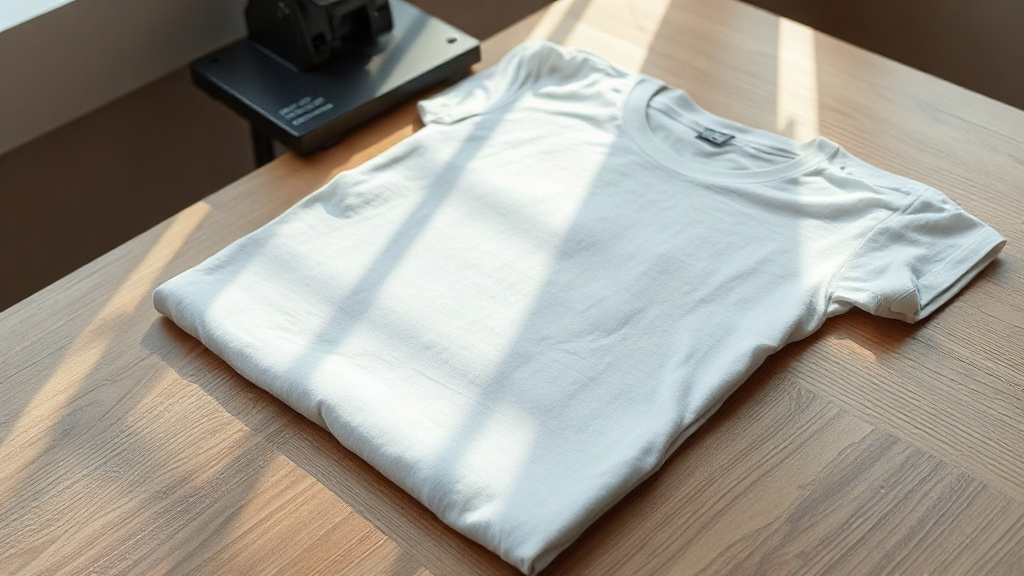
When you first dive into the world of DTF transfers, it's easy to get caught up in the excitement of vibrant colors and intricate designs. But here's the thing: even the most stunning transfer can fall flat if it's applied to the wrong garment. That's where smart blanks come into play. These aren't just any ordinary t-shirts; they're specially engineered to work in harmony with your transfers, ensuring a finish that looks professional and stands the test of time.
I remember my early days of experimenting with DTF transfers. I had a killer design, a heat press, and a pile of random shirts from a local supplier. The result? Cracking, peeling, and a washed-out look after just one wash. It was frustrating. Then I discovered smart blanks, and everything changed. In this article, I'll share what makes them so special, how to pick the right ones, and why brands like Shaka Wear are leading the charge.
What Exactly Are Smart Blanks?
At their core, smart blanks are garments that have been optimized for decoration. They're not just about fabric content; it's about how that fabric interacts with heat, pressure, and adhesives. Smart blanks typically feature a tight weave, consistent thickness, and a special finish that allows DTF transfers to adhere smoothly without any hiccups.
Unlike standard blanks, which might have uneven surfaces or coatings that repel adhesives, smart blanks are designed with the decorator in mind. They undergo rigorous testing to ensure they can handle the temperatures and pressures of a heat press. This means you spend less time troubleshooting and more time creating.
The Science Behind the Smart
What makes a blank 'smart'? It often comes down to the fabric blend and the finishing process. For example, many smart blanks use a high percentage of combed cotton, which has longer fibers that create a smoother surface. Some also incorporate a touch of polyester for durability, but the key is that the fabric is pre-shrunk and has a consistent grain.
Additionally, smart blanks may have a special coating or treatment that enhances adhesion. This isn't just marketing fluff; it's chemistry. The coating reacts with the thermoplastic polyurethane (TPU) in DTF transfers, creating a bond that's both flexible and strong. So when you stretch the shirt, the print moves with it instead of cracking.
Why Smart Blanks Matter for DTF Transfers
If you've ever applied a DTF transfer to a cheap blank, you know the pain. The transfer might look great initially, but after a few washes, it starts to peel or fade. That's because the fabric wasn't designed for the transfer. Smart blanks eliminate this problem by providing an ideal surface for adhesion.
Here are a few reasons why smart blanks are a game-changer:
- Superior Adhesion: The smooth, consistent surface allows the transfer to bond evenly, reducing the risk of lifting edges.
- Color Vibrancy: Smart blanks often have a brighter, whiter base, which makes colors pop. If you're using white transfers, they'll look crisper.
- Durability: The bond is stronger, so the print withstands repeated washing and wearing without cracking.
- Consistency: Because smart blanks are manufactured to tight tolerances, you get the same results every time, which is crucial for bulk orders.
I've seen firsthand how switching to smart blanks reduced customer complaints about prints fading. It's a small investment that pays off in reputation.
Choosing the Right Smart Blanks
Not all smart blanks are created equal. When selecting garments for DTF transfers, consider these factors:
Fabric Content
100% cotton is a popular choice because it's breathable and takes transfers well. However, cotton can shrink, so pre-shrunk options are best. Cotton-poly blends offer durability and reduced shrinkage, but you need to ensure the polyester content doesn't interfere with adhesion. Generally, blends with up to 50% polyester work well with DTF transfers if the fabric is specially treated.
Weave and Weight
A tight weave prevents the transfer from sinking into the fabric, which can cause a dull appearance. Medium-weight fabrics (around 5.3 oz) are ideal for t-shirts, providing a good balance of comfort and printability. Lighter fabrics might be too delicate, while heavier ones can be stiff.
Color
While DTF transfers can be applied to any color, lighter colors require a white underbase for vibrant prints. Smart blanks in white or light heathers are excellent for this. Dark colors can also work, but you'll need transfers with a white layer to make colors stand out.
One brand that consistently delivers on these fronts is Shaka Wear. Their blanks are known for their quality and compatibility with DTF printing. I've used their tees for several projects, and the results are always impressive.
Shaka Wear: A Cut Above the Rest
Shaka Wear has carved a niche in the apparel industry by focusing on quality and consistency. Their garments are crafted from premium materials, often using ring-spun cotton for a soft feel. But what sets them apart for DTF decorators is their attention to detail in finishing.
I recently ran a batch of shirts using Shaka Wear blanks and DTF transfers from a reputable supplier. The transfers adhered perfectly, with no edge lifting even after multiple washes. The colors remained vivid, and the fabric didn't pucker. It was a seamless experience.
Moreover, Shaka Wear offers a variety of styles, from classic tees to hoodies, all designed with decoration in mind. Their sizing is consistent, which is a blessing when you're printing for a large order. If you're serious about DTF, Shaka Wear is worth considering.
Best Practices for Applying DTF Transfers to Smart Blanks
Even with the best blanks, technique matters. Here are some tips to ensure flawless application:
- Pre-press the garment: This removes moisture and wrinkles, creating a smooth canvas. I usually pre-press for 5-7 seconds at 350°F.
- Use the right pressure: Medium to firm pressure is key. Too little, and the transfer won't adhere; too much, and the adhesive can bleed.
- Temperature control: Follow the transfer supplier's recommendations. Typically, 325-350°F for 10-15 seconds.
- Peel cool or hot: Some transfers require a hot peel, others a cool peel. Check the instructions. For most DTF transfers, a cool peel (waiting a few seconds) works best.
- Post-press: After peeling, give it a final press for 5 seconds to ensure full adhesion.
These steps, combined with smart blanks, will give you professional-grade results.
Common Mistakes to Avoid
I've made my share of errors, so you don't have to. Avoid these pitfalls:
- Using fabric softener: It leaves a residue that prevents adhesion. Always wash new blanks without softener before decorating.
- Skipping the pre-press: Moisture is the enemy of DTF. Pre-pressing is non-negotiable.
- Ignoring fabric content: Not all blanks are DTF-friendly. Stick with smart blanks or those recommended for DTF.
- Over-stretching during application: This can distort the print. Keep the garment flat.
By avoiding these, you'll save time and materials.
Frequently Asked Questions
Can I use DTF transfers on any fabric?
While DTF transfers can adhere to many fabrics, they work best on cotton and cotton-poly blends. Smart blanks are specifically designed for optimal results. Fabrics like nylon or silk may require special handling and may not yield the same durability.
How do I know if a blank is 'smart'?
Look for descriptions that mention 'DTF-friendly' or 'optimized for heat transfer.' Brands like Shaka Wear often label their blanks accordingly. You can also test a small area before full production.
What's the difference between smart blanks and regular blanks?
Smart blanks have a smoother, more consistent surface and may have a special finish that enhances adhesion. Regular blanks might have inconsistencies that lead to poor transfer results.
Do I need a special heat press for DTF transfers?
Any heat press that can maintain consistent temperature and pressure will work. However, a quality press ensures even application, which is crucial for DTF.
How long do DTF prints last on smart blanks?
With proper care, DTF prints on smart blanks can last as long as the garment itself. Wash inside out in cold water and avoid harsh detergents to prolong life.