
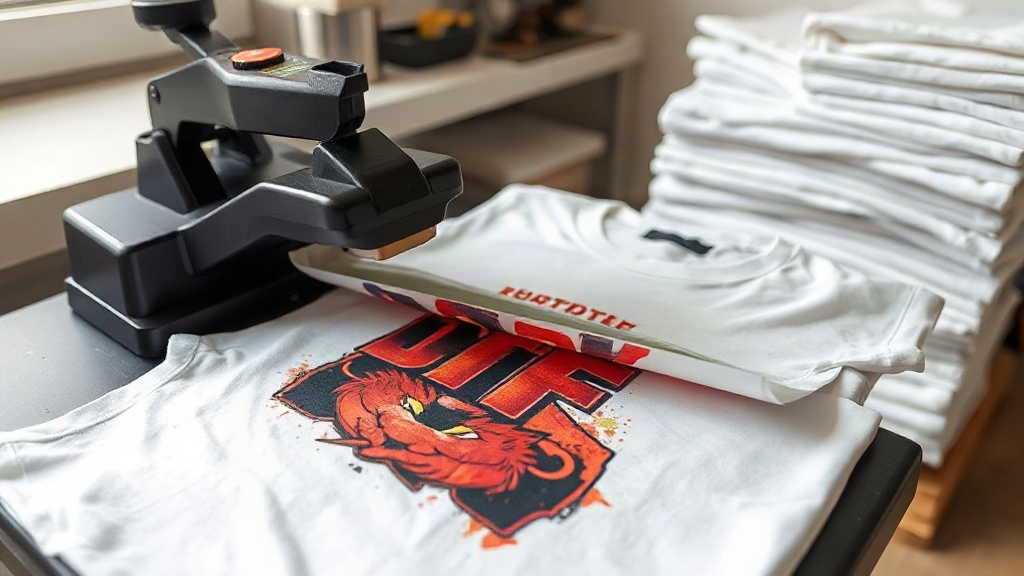
When I first heard about DTF Transfers, I was skeptical. As someone who has spent years working with heat transfer vinyl (HTV) and screen printing, I thought I had seen it all. But after testing my first DTF transfer on a cotton t-shirt, I was amazed by the vibrant colors and the soft feel. Unlike HTV, which can feel plasticky and requires precise cutting and weeding, DTF transfers offer a simpler workflow with stunning results. If you're new to DTF, this guide will walk you through everything you need to know, from the basics of how it works to troubleshooting common issues. By the end, you'll be ready to create professional-quality garments with ease.
What Are DTF Transfers?
DTF stands for Direct to Film. It's a printing method where your design is printed onto a special PET film using a DTF printer and then coated with a hot-melt adhesive powder. Once the powder is cured, the transfer is ready to be applied to fabric using a heat press. The magic happens when the adhesive melts and bonds the ink to the fabric, creating a durable, stretchable print that feels soft to the touch.
Unlike DTG (Direct to Garment) printing, which requires pre-treatment and works best on 100% cotton, DTF transfers can be applied to a wide range of materials, including cotton, polyester, blends, and even leather. This versatility makes DTF a favorite among crafters and small business owners who want to offer custom apparel without investing in multiple printing techniques.
Why Choose DTF Transfers Over Other Methods?
There are several reasons why DTF transfers have gained popularity in recent years:
- No weeding or cutting: Unlike HTV, you don't need a cutting machine or to weed out tiny details. The design is printed directly onto the film, saving you hours of tedious work.
- Vibrant colors: DTF printers use CMYK plus white ink, allowing for bright, opaque designs even on dark garments. You can achieve photorealistic images and gradients that are difficult with other methods.
- Works on many fabrics: From 100% cotton to 100% polyester and blends, DTF transfers adhere well to almost any fabric. They also work on non-traditional materials like canvas and leather.
- Durability: When applied correctly, DTF prints withstand repeated washing without fading, cracking, or peeling. The print stretches with the fabric, making it ideal for athletic wear.
- Cost-effective for small batches: If you're printing one-off designs or small batches, DTF transfers are more economical than screen printing, which requires setup costs per color.
How to Apply DTF Transfers: Step-by-Step
Applying a DTF transfer is straightforward, but following the correct steps is crucial for a professional finish. Here's the process I use in my workshop:
1. Prepare Your Workspace
Set your heat press to the recommended temperature and pressure. For most DTF transfers, a temperature of 325°F (160°C) and medium pressure (around 40-60 PSI) works well. Pre-press the garment for 5-10 seconds to remove moisture and wrinkles. This step ensures a smooth surface for the transfer to adhere to.
2. Position the Transfer
Place the DTF transfer on the garment with the printed side facing up. If your transfer has a white backing (the adhesive side), that should be facing down against the fabric. Use heat-resistant tape to hold it in place if needed.
3. Press the Transfer
Cover the transfer with a Teflon sheet or parchment paper. Press for 10-15 seconds at 325°F with medium pressure. Avoid using too much pressure, as it can cause the ink to spread and blur the design.
4. Peel the Film
After pressing, wait a few seconds for the transfer to cool slightly. Then, peel the film off in one smooth motion. For a matte finish, peel while hot; for a glossy finish, peel when cold. I prefer the hot peel method because it reduces the risk of the print lifting.
5. Post-Press for Durability
To enhance washability, cover the design with a Teflon sheet and press again for 5-10 seconds. This step ensures the adhesive fully cures and bonds with the fabric.
Common DTF Transfer Problems and How to Fix Them
Even with experience, you might run into issues. Here are some common problems and their solutions:
Transfer Not Sticking
If the transfer peels off after washing, it's usually due to insufficient temperature, pressure, or time. Increase the temperature by 10°F and press for 5 seconds longer. Also, ensure the garment is pre-pressed to remove moisture.
Design Looks Faded or Cracked
This can happen if the transfer was overheated or pressed with too much pressure. Lower the temperature and pressure, and avoid pressing for more than 15 seconds. Also, check that your heat press is calibrated correctly.
Adhesive Residue on Garment
Sometimes, a sticky residue remains around the design after peeling. This is usually caused by incomplete curing of the adhesive powder. You can remove it by placing a Teflon sheet over the area and pressing for a few seconds, then peeling while hot. Alternatively, use a lint roller to pick up the residue.
DTF Transfers vs. Other Printing Methods
To help you decide if DTF is right for your project, here's a quick comparison:
- DTF vs. HTV: DTF offers more detail and no weeding, but HTV can be more cost-effective for simple one-color designs.
- DTF vs. DTG: DTF works on more fabrics and doesn't require pre-treatment, but DTG can be faster for large orders on 100% cotton.
- DTF vs. Screen Printing: DTF is better for small batches and complex designs, while screen printing is more economical for large runs of simple designs.
Tips for Getting the Best Results with DTF Transfers
After countless trials, I've picked up a few tricks that make a big difference:
- Store transfers properly: Keep unused DTF transfers in a cool, dry place away from direct sunlight. Humidity can ruin the adhesive powder.
- Use a quality heat press: A reliable heat press with consistent temperature and pressure is key. Irons and cheap presses often lead to uneven results.
- Test on scrap fabric: Before pressing onto a final garment, do a test press on a similar fabric to dial in your settings.
- Wash inside out: To prolong the life of your DTF print, wash the garment inside out in cold water and tumble dry low.
Frequently Asked Questions About DTF Transfers
Can I apply DTF transfers to 100% polyester?
Yes, DTF transfers work great on polyester. However, because polyester is heat-sensitive, you should lower the temperature to around 300°F (150°C) to avoid scorching or dye migration. Always test on a small area first.
How long do DTF transfers last?
With proper application and care, DTF transfers can last as long as the garment itself. They withstand 50+ washes without significant fading or cracking when washed inside out in cold water and dried on low heat.
Do I need a special printer for DTF?
Yes, DTF printing requires a dedicated DTF printer that uses pigment-based inks and a white ink channel. You also need a shaker machine to apply the adhesive powder evenly. However, you can buy pre-made DTF transfers from suppliers if you don't want to invest in the equipment.
What's the difference between hot peel and cold peel DTF transfers?
Hot peel transfers are designed to be peeled off immediately after pressing while the transfer is still hot. Cold peel transfers must cool completely before peeling. The choice depends on the manufacturer's instructions. Hot peel is generally more forgiving and faster.
Can I layer DTF transfers?
Yes, you can layer DTF transfers to create multi-color designs. Press the first transfer, peel, then press the second on top. Use a Teflon sheet between layers to protect the design. Just be mindful of the total thickness, as too many layers can feel stiff.
DTF transfers have revolutionized the custom apparel industry by making it easy to produce high-quality, full-color designs on a variety of fabrics. Whether you're a hobbyist or a business owner, mastering DTF can open up new creative possibilities. Remember to follow the recommended settings, practice on scraps, and soon you'll be creating professional-grade garments that impress your customers. If you're looking for ready-to-use DTF transfers, check out the selection at DTF Crafters (dtfcrafters.com) for vibrant, durable designs.