
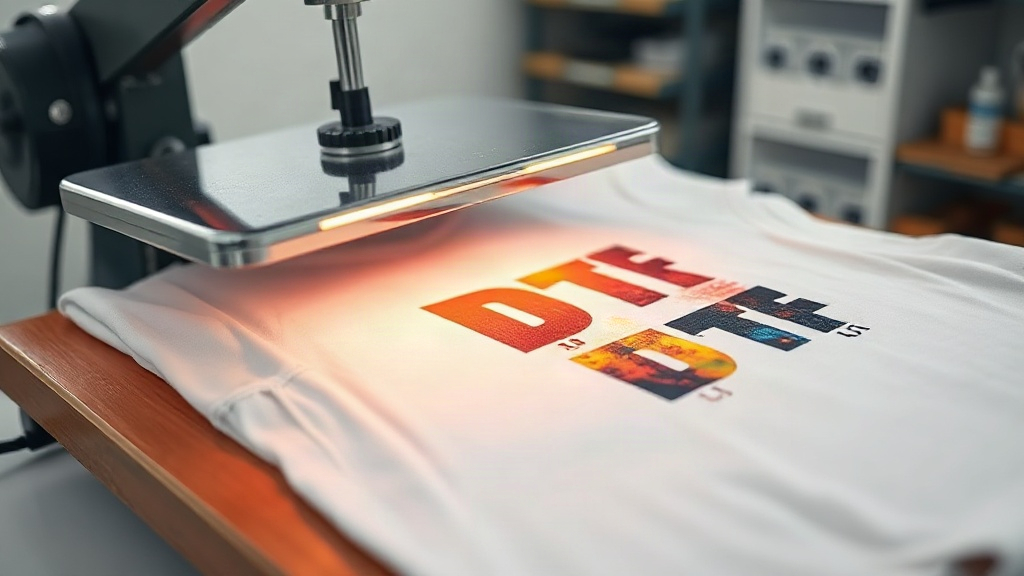
If you're in the custom apparel business, you've likely heard about DTF Transfers. This innovative printing method is transforming how we create vibrant, durable designs on fabrics. Unlike traditional techniques, DTF transfers offer unmatched versatility and quality. In this guide, we'll explore everything you need to know about DTF transfers, from their benefits to application steps, so you can decide if they're right for your projects.
What Are DTF Transfers?
DTF stands for Direct to Film. It's a printing process where designs are printed onto a special film, coated with adhesive powder, and then heat-pressed onto fabric. This method allows for full-color, high-detail prints on various materials, including cotton, polyester, and blends. Unlike DTG (Direct to Garment) printing, DTF transfers don't require pre-treatment, making them more efficient for small businesses.
Why Choose DTF Transfers?
DTF transfers have gained popularity for several compelling reasons. Here are the main advantages:
- Versatility: Works on almost any fabric, including dark and light colors, without the need for multiple screen setups.
- Durability: Prints are stretchable and resistant to cracking, peeling, and fading, even after multiple washes.
- Cost-effective: No minimum order quantities, making it ideal for small batches and personalized items.
- High detail: Captures fine lines, gradients, and photographic images with stunning clarity.
How to Apply DTF Transfers
Applying DTF transfers is straightforward, but following the correct steps ensures optimal results. Here's a step-by-step guide:
- Preheat the heat press: Set the temperature to 325°F (160°C) and preheat the garment for 5-10 seconds to remove moisture.
- Position the transfer: Place the DTF transfer on the garment with the design facing up.
- Press: Apply medium pressure for 10-15 seconds.
- Peel: Wait for the transfer to cool completely (cold peel) before removing the film.
- Post-press: For added durability, press the design again for 5-10 seconds using a protective sheet.
Common Applications of DTF Transfers
DTF transfers are used across various industries. Some popular applications include:
- Custom t-shirts and hoodies
- Sports jerseys and team uniforms
- Promotional items like tote bags and hats
- Personalized gifts
Tips for Best Results
To get the most out of your DTF transfers, keep these tips in mind:
- Store transfers in a cool, dry place away from direct sunlight.
- Use a heat press rather than an iron for consistent pressure and temperature.
- Test on a scrap fabric first to dial in your settings.
- Wash garments inside out in cold water and avoid bleach to prolong the print's life.
Frequently Asked Questions
How long do DTF transfers last?
With proper care, DTF transfers can last as long as the garment itself. They are highly durable and resistant to washing and wear.
Can I use DTF transfers on dark fabrics?
Yes, DTF transfers work excellently on dark fabrics because the white ink layer provides a bright base for the colors.
Do I need a special printer for DTF transfers?
Yes, you need a DTF printer and specialized inks and films. However, you can also purchase pre-printed transfers from suppliers.
What is the difference between DTF and DTG?
DTF transfers are printed on film and then applied, while DTG prints directly onto the garment. DTF is more versatile across fabric types.
Can I stretch DTF prints?
Yes, DTF prints are stretchable and move with the fabric without cracking.
DTF transfers are a game-changer for custom apparel. Whether you're a small business owner or a DIY enthusiast, they offer a cost-effective way to produce high-quality, durable prints. Give them a try and see the difference for yourself.