
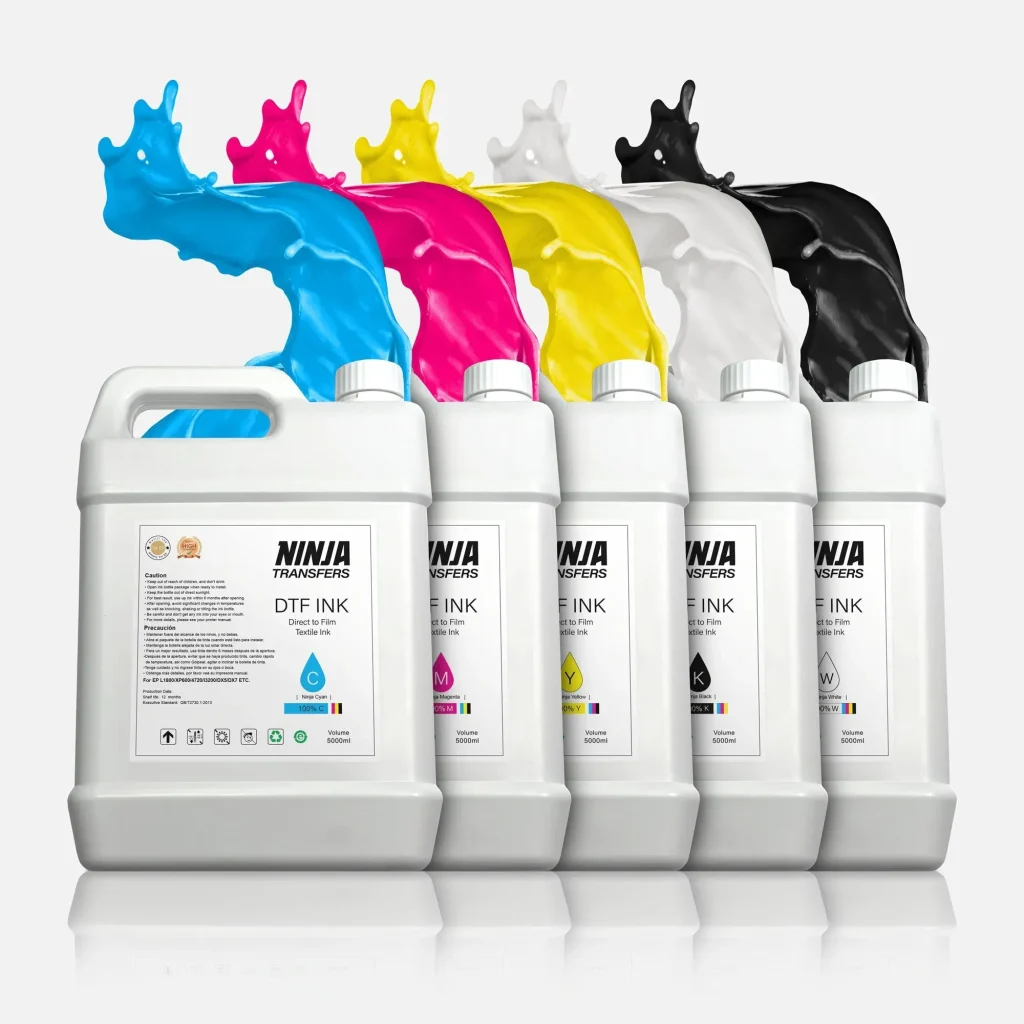
DTF inks and film are transforming how apparel is decorated, bringing vibrant designs to fabrics with impressive durability. As 2026 ushers in more brands and smarter ink chemistries, choosing the right setup for DTF printing can yield faster throughput and cleaner transfers. A smart buying approach now also helps you navigate DTF ink compatibility with popular printers and films. This guide lays out what to look for in inks and film so you can maximize color, wash-fastness, and production efficiency. By focusing on quality, compatibility, and reliable support, you can build a DTF workflow that scales with your projects.
Looking beyond the acronym, the technology behind direct-to-film transfers blends advanced pigment inks with a transparent carrier sheet. Think of it as a digital-to-fabric workflow where a printed film is pressed to textiles, releasing color with each heat cycle. Interchangeable film substrates and complementary ink chemistries determine opacity, durability, and hand feel across cottons, blends, and synthetics. When evaluating options, consider how the ink set and carrier sheet work together with your printer, software, and heat-press settings for consistent results. This broader framing helps you compare solutions without getting lost in brand names, keeping the focus on performance, reliability, and total cost of ownership.
DTF inks and film: The foundation of reliable 2026 transfers
DTF inks and film form the foundation of reliable transfers in 2026. As the DTF printing market expands, the pairing of ink chemistry and film substrate determines color fidelity, adhesion, and wash durability. Selecting a compatible ink and film combo reduces waste, speeds setup, and protects your investment in printers and RIPs.
Choosing the right DTF inks and film means evaluating ink compatibility with the release layer, curing temperatures, and substrate interaction. The synergy between ink color strength, white ink opacity, and film release behavior sets the baseline for consistent results across batches and fabrics.
Understanding DTF film types and their impact on color and hand feel
DTF film types vary widely in thickness, gloss level, and release characteristics. A thicker film can deliver crisper detail on cotton-rich fabrics, while matte finishes may feel softer to the touch on blends.
When planning color accuracy, consider how film type interacts with your ink system—some films yield brighter colors with certain ink chemistries, others reduce cracking after many washes. Testing across typical garments is essential.
DTF printing workflows in 2026: choosing compatible inks, printers, and RIP software
DTF printing workflows in 2026 prioritize compatibility across printers and RIPs; verify that your printer model and print head type are officially supported by the ink brand and that your RIP provides ICC profiles and color management for predictable output.
An efficient workflow also depends on straight-through processes from printing to transfer; ensure your heat press settings are aligned with the ink-film combination, and that your color charts translate well across devices.
Best DTF inks 2026: evaluating color gamut, white opacity, and durability
Best DTF inks 2026 are evaluated by color gamut, white opacity, and durability on common textiles. Look for inks that reproduce skin tones faithfully, resist yellowing, and maintain brightness after multiple washes.
Extra considerations include safety data, odor, and shelf life; higher upfront costs can be offset by longer cartridge life, fewer clogs, and steadier performance across batches.
DTF ink compatibility and maintenance: ensuring consistent results across batches
DTF ink compatibility and maintenance routines protect print quality over time. Regular cleaning, flushing, and using manufacturer-recommended cleaning solutions help prevent clogged nozzles and color drift.
Storage conditions matter as much as the daily workflow: keep inks sealed, away from heat and sunlight, monitor humidity, and rotate stock to minimize waste and ensure consistent color.
Practical testing and procurement strategies for successful DTF setups
Testing and procurement strategies for a successful DTF setup begin with a structured test plan: color charts on multiple fabrics, white-ink tests on dark garments, and heat-press ramp tests to identify optimal times and temperatures.
For procurement, start with small lots, demand transparent warranties, and request samples for color and finish tests; build a vendor plan that supports your volume growth and aligns with 2026 market trends in eco-friendly formulations and expanded printer options.
Frequently Asked Questions
What should I know about choosing DTF inks and film for successful DTF printing in 2026?
When selecting DTF inks and film in 2026, prioritize ink quality, white ink performance, wash-fastness, compatibility with your transfer film, and printer readiness. Request color charts and fabric tests to compare gamut, brightness, opacity, and durability, and check shelf life and safety data. Use benchmarks like the Best DTF inks 2026 to balance upfront cost with long‑term performance.
How do DTF film types influence transfer results when used with DTF inks and film?
DTF film types affect adhesion, release behavior, and texture of the final transfer. Thicker or glossy films can yield crisper color and stronger wash resistance, while matte films offer a softer hand feel. Ensure the film type is formulated to pair with your DTF inks for accurate color reproduction and durability.
Why is DTF ink compatibility critical for a smooth printing workflow in DTF printing?
DTF ink compatibility ensures the ink works with your printer heads and RIP software, reducing clogging and color drift. Verify printer compatibility, white ink reliability, and driver support to maintain consistent results across runs.
What factors define a cost-effective DTF inks and film setup for high-volume production today?
A cost-effective setup balances ink yield, film consumption, and downtime against performance. Compare brands on color gamut, white opacity, wash-fastness, and storage stability, and factor in warranty and support. In 2026, the Best DTF inks 2026 benchmarks can guide you toward reliable performance and lower total cost of ownership.
How can I validate DTF inks and film performance across different fabrics?
Use a structured testing plan: print a standard color chart on multiple fabrics and films, evaluate white ink opacity on dark fabrics, and run heat-press tests plus wash cycles to measure durability. Include hot- and cold-peel tests to assess edge quality and long-term durability in DTF printing.
Where can I find reliable guidance on selecting DTF inks and film for a new shop?
Start with vendor guides, color charts, and samples, then review testing methods and ROI considerations. Look for reputable sources covering DTF printing trends and Best DTF inks 2026 to align with market expectations, and rely on solid technical support and warranty terms from suppliers.
| Aspect | Key Point / Summary | Why It Matters / How to Use |
|---|---|---|
| Understanding DTF inks and film | Inks bond with transfer adhesive and release onto fabrics; film carries design and must release color cleanly; modern workflows use water-based pigment inks with PET transfer film and a release layer. | Choose inks and film that are compatible, ensure stable release, and plan for storage and handling to support reliable production. |
| Why 2026 is a milestone for buyers | More reliable formulations, broader printer compatibility, and better color performance across price points. Buyers expect stronger color fidelity and wash-fastness; suppliers respond with expanded ink palettes, improved white ink, better adhesion films, clearer printer/RIP guidance, and stronger warranties. | These signals help buyers prioritize reliability, ecosystem compatibility, and long-term support when selecting DTF inks and film. |
| What to look for in DTF inks in 2026 | Color gamut and brightness; White ink opacity and consistency; Wash-fastness and durability; Drying and curing speed; Odor and safety; Shelf life and storage; Price-to-performance. | Use these metrics to balance print quality, operational efficiency, and total cost of ownership when evaluating inks. |
| What to look for in DTF film types in 2026 | Thickness/stiffness; Gloss vs matte finish; Adhesion and peel behavior; Release liner quality; Compatibility with inks. | Film choice affects transfer quality, feel, and color accuracy; align film with your ink chemistry and fabrics for best results. |
| DTF ink compatibility and printer readiness | Printer compatibility; White ink reliability; RIP and workflow support; Heat press compatibility; Maintenance requirements. | Ensure the ink, film, printer, and software workflow are mutually supported to maximize color fidelity and uptime. |
| How to choose DTF inks in 2026: a practical approach | Define your application and volume; Review color performance with samples; Test white ink; Assess durability indicators; Compare total cost of ownership; Seek transparent technical support; Check printer compatibility. | Follow a structured evaluation to minimize risk and optimize long-term cost and performance. |
| DTF trends for buyers in 2026 | Eco-aware formulations; Improved color science; Greater printer diversity; Better support ecosystems; Film technology evolution. | Recognize these trends to future-proof purchases and plan for evolving workflows and material options. |
| A simple buying checklist for 2026 | Define end-use fabrics and production volume; Compare inks on color gamut, white opacity; Examine film options for thickness, adhesion, and ink compatibility; Verify printer/RIP support; Request samples and perform tests; Consider total cost of ownership; Ensure reliable support and warranty; Plan for future-proofing. | A practical, repeatable framework to reduce risk and maximize return on investment when sourcing DTF inks and film. |
Summary
DTF inks and film have matured into a reliable, scalable solution for garment decoration and textile printing. The 2026 market offers more choices, better performance, and clearer guidance than ever before. By focusing on ink quality, film compatibility, printer readiness, and a rigorous testing mindset, you can select a DTF setup that delivers vibrant, durable transfers, efficient workflows, and strong ROI. Use this buying guide as a framework to evaluate options, pilot new combinations, and build a dependable DTF program that grows with your business or creative projects.

